Field Notes
01 / Journal Entry / April 21, 2026

The Spirit of California Alpine Wine

Why elevation, coastal influence, and weathered-in-place soils change the game.

Issue 01 Alta Heights Mountain Frontiers of California
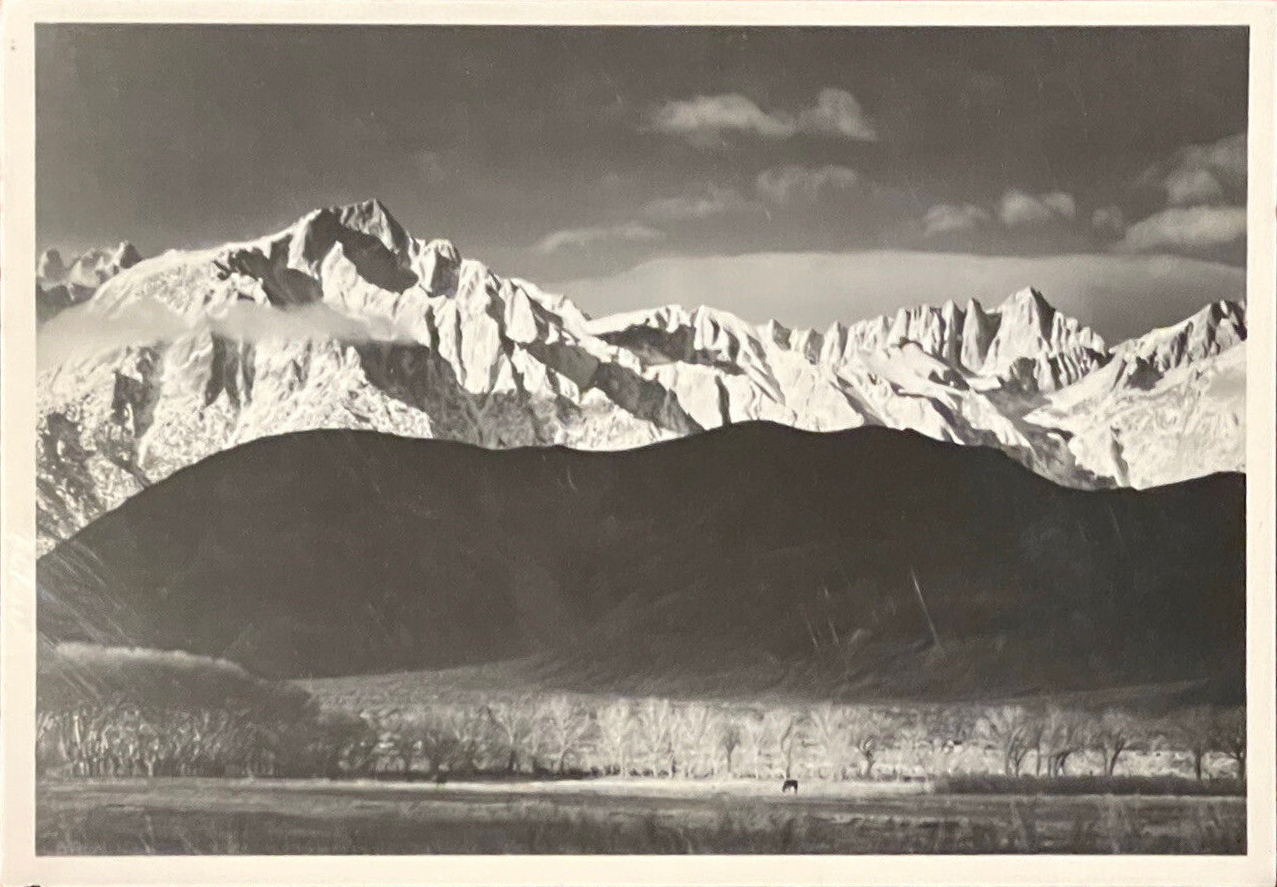
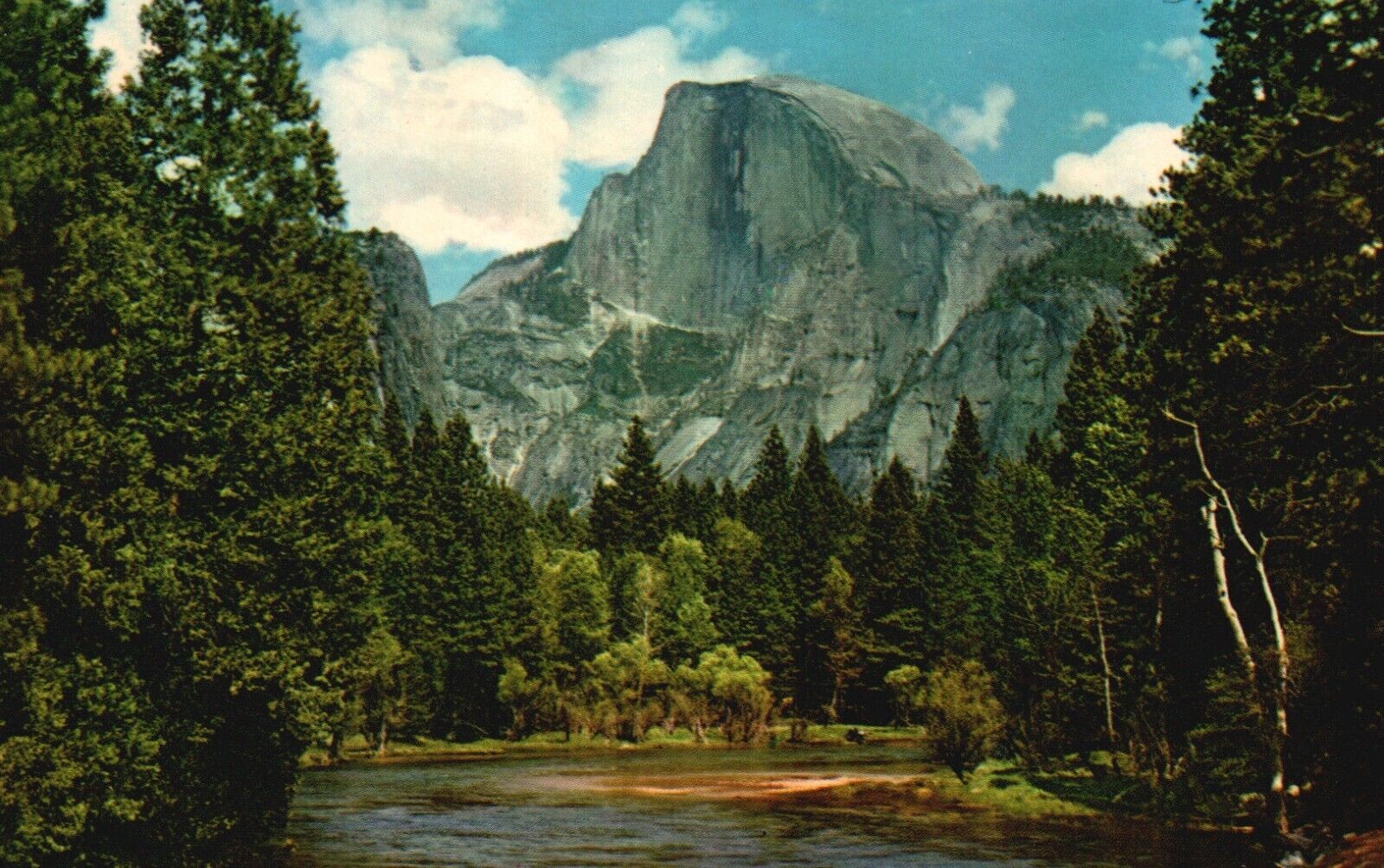
California alpine wine country landscape

Let's get one thing straight: nobody farms a remote mountain top for the fun of it. You choose to grow in the mountains because something up there is worth risk, the extra effort, the reward. And it turns out that same motivation, the quest for something great, is exactly what California's Mountain winemaking pioneers have been proving for decades.

When most people hear "California Wine", they think Napa. Which is fine. Napa is great. But if Napa is the famous shortstop, there is an entire bench of players doing something stranger and arguably more interesting in the Santa Cruz Mountains, up on Arrowhead Mountain, and deep in the Mendocino Coastal Mountains. These are places only found through the spirit of exploration.

The best wines from California taste just like the land looks.

What We Mean By Alpine

The Advantage of Altitude

When people talk about elevation in wine, they usually jump straight to temperature. Yes, it is usually cooler up high. But the real magic is in the inversion layer - the dramatic shift to nighttime warmth and continued ripening that moves the sugar maturity of the grapes rapidly, preserving fresher flavors and higher acidities than in the valleys below.

Acid. Structure. Aromatics that would otherwise be lost at lower elevations. Up high, those volatile compounds stick around. Which is why a Pinot Noir from the Santa Cruz Mountains at 1,800 feet can feel more lifted, more precise, and more alive than something grown in an valley floor site. The mountains simply tell a different story.

Elevation

Longer hang time and colder nights lock in acidity and aromatics that warm valleys struggle to hold.

Coastal Influence

Marine fog and Pacific wind create a daily push and pull with the sun that sharpens the fruit instead of softening it.

Weathered Soils

Granite, shale, and serpentine drain hard, force deep roots, and keep yields low enough for real specificity.

Pacific fog rolling over California mountain range

The Pacific Factor

When The Ocean Reaches The Mountain

Here is where California does something genuinely unusual: it lets the Pacific Ocean into the conversation. The coastal ranges act as a kind of atmospheric thermostat. Fog pours through the gaps each morning, cools everything down, then burns off by afternoon as inland heat pulls it back. This is the daily drama of the Sta. Rita Hills, the Sonoma Coast, and the Santa Cruz Mountains. The vine wakes up in a sweater and goes to bed in the sun.

That thermal whiplash sounds stressful, and it is, for the vine, which is the point. Stressed vines do not produce a lot. What they produce, they put everything into. The berries are small, thick-skinned, and loaded with character. The juice is concentrated without being heavy. The result is a wine that tastes like it has a point of view.

Worth Knowing

The Santa Cruz Mountains AVA sits on the San Andreas Fault and carries some of the most geologically diverse soils in California: marine sediment, sandstone, and fractured shale laid down by the same tectonic restlessness that makes the whole region feel slightly alive underfoot.

Mount Harlan, meanwhile, sits on limestone that Josh Jensen spent years searching for, convinced it was the only soil that could make truly great Pinot Noir in California. The wines from Calera are still making that case.

The Soils Beneath It All

Why Ancient Rock Matters

Transported soils, the kind deposited by rivers and floods, are fertile, generous, and good for farming. They are also, in winemaking terms, a little too helpful. The vine finds water. It finds nutrients. It does well. The fruit is plentiful and pleasant and does not necessarily surprise you.

Ancient, weathered-in-place soils are a different proposition entirely. Decomposed granite in the Sierra Foothills. Fractured sandstone along the Santa Cruz ridge. Serpentine, that strange magnesium-rich stone that most plants will not grow in at all, scattered through the coastal ranges. These soils drain fast, hold little, and offer the vine nothing it did not earn.

Old vine vineyard on steep hillside terrain at elevation

The roots go deep. Yields stay low. And the grapes develop a specificity, a mineral edge, that you genuinely cannot fake. There is a word that gets overused in wine writing, terroir, and it often ends up being a fancy way of saying "this costs more." But in the context of California's alpine and coastal mountain sites, the concept earns its keep.

Stress is the winemaker's vocabulary. The mountain just speaks it fluently.

The Winemakers

The People Who Choose The Hard Way

Here is maybe the most important thing about California alpine wine: the people making it are, almost without exception, a little obsessed. Not in an unpleasant way. In the way that someone who found the thing they were supposed to be doing is obsessed, quietly, stubbornly, cheerfully committed to a place that most people find inconvenient.

You drive windy two-lane roads to get to these vineyards. Harvest is unpredictable because the weather at elevation is unpredictable. The machinery does not always like the slopes. The fog rolls in and the temperature drops twenty degrees in an hour and somebody has to make a call. These are not winemakers optimizing for ease.

They are optimizing for the thing that made them come up here in the first place, which is the suspicion, usually correct, that these mountains are making wine no valley floor can replicate. That the difficulty is the feature. That the stone, the cold, and the Pacific wind are not obstacles to great wine but the actual reason for it.

Where To Start

If You're New To The Heights

If you are coming to California alpine wine for the first time, the Santa Cruz Mountains are a generous place to begin. Ridge's Monte Bello is the canonical example, a Cabernet from a ridge at 2,600 feet that has been proving the point for decades. But there are smaller producers making Chardonnay and Pinot Noir along the ridge that are easier on the wallet and no less compelling.

The Sierra Foothills, especially Amador County and El Dorado County, are where old-vine Zinfandel and Barbera reach an elevation and intensity that surprise anyone who only knows the flatter, broader versions. The Sta. Rita Hills, technically coastal rather than alpine, still operates on the same cold-stress principles. The fog does the work. The winemaker takes notes.

The spirit of California alpine wine is not really about prestige, elevation stats, or any particular grape. It is about the bet: the choice to plant in a place that makes things harder and trust that the difficulty will show up in the glass. It almost always does.

Go find the mountain wine. It has been waiting.

Next Move

Keep wandering the margins. Head back to the index, or explore the bottles that carry this same mountain logic into the glass.